
FLAGSHIP AMMONIA-FREEYT880A
HIGH-STRENGTH / AMMONIA-FREE / HIGH-GF
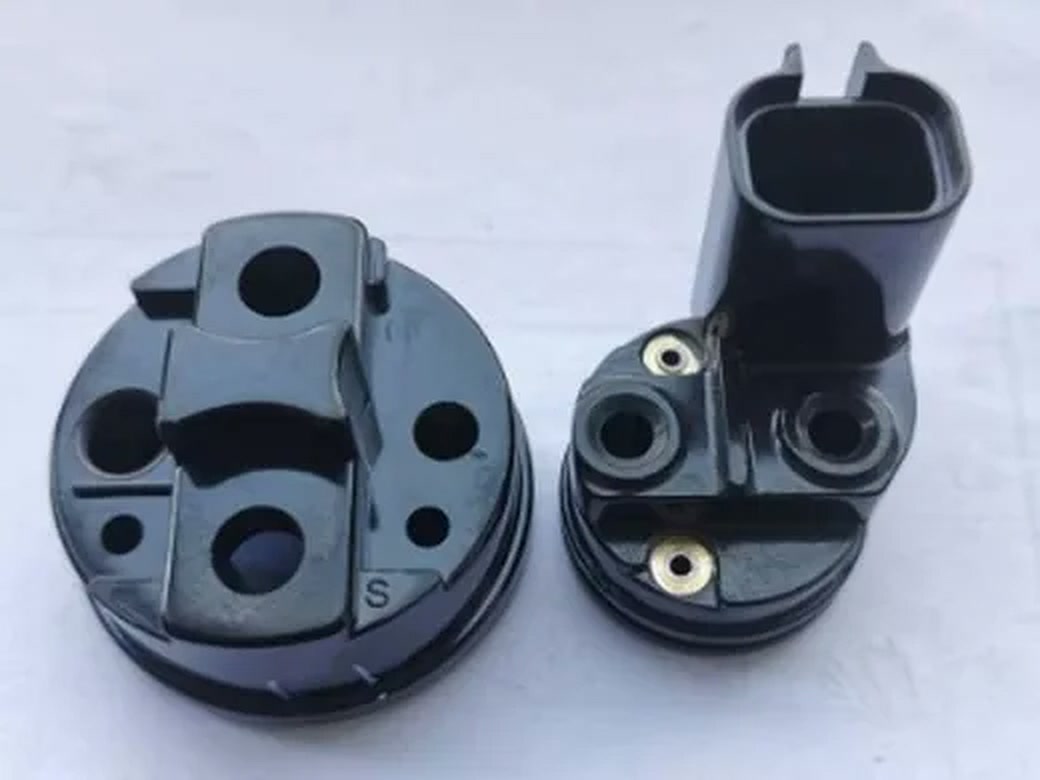
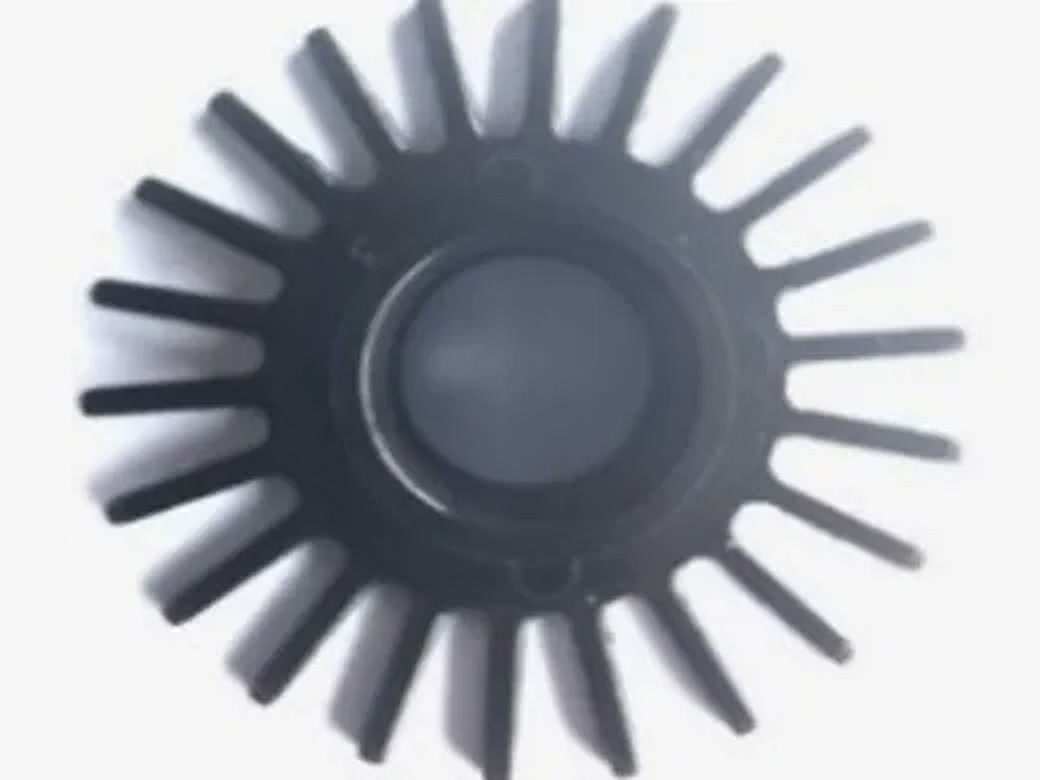
For automotive switch covers, brush holders, housings, coil bobbins, EV battery components and charging-pile frames.
Ammonia-free, high-strength, high-fiber, heat-resistant and composite-fiber systems for reliability-critical components.
PRODUCT PORTFOLIO
Specialty resins and high-fiber reinforcement balance mechanical strength, heat resistance, flame retardancy, electrical insulation and dimensional stability across diverse molded components.
Values come from the grade details below; “—” means not listed on this website. Heat deflection temperature is not a continuous-use temperature. See each grade for flammability test conditions.
On smaller screens, scroll horizontally to view the full table.
| Grade | Heat deflection temperature (℃) | Flexural strength (MPa) | Flammability rating | Details |
|---|---|---|---|---|
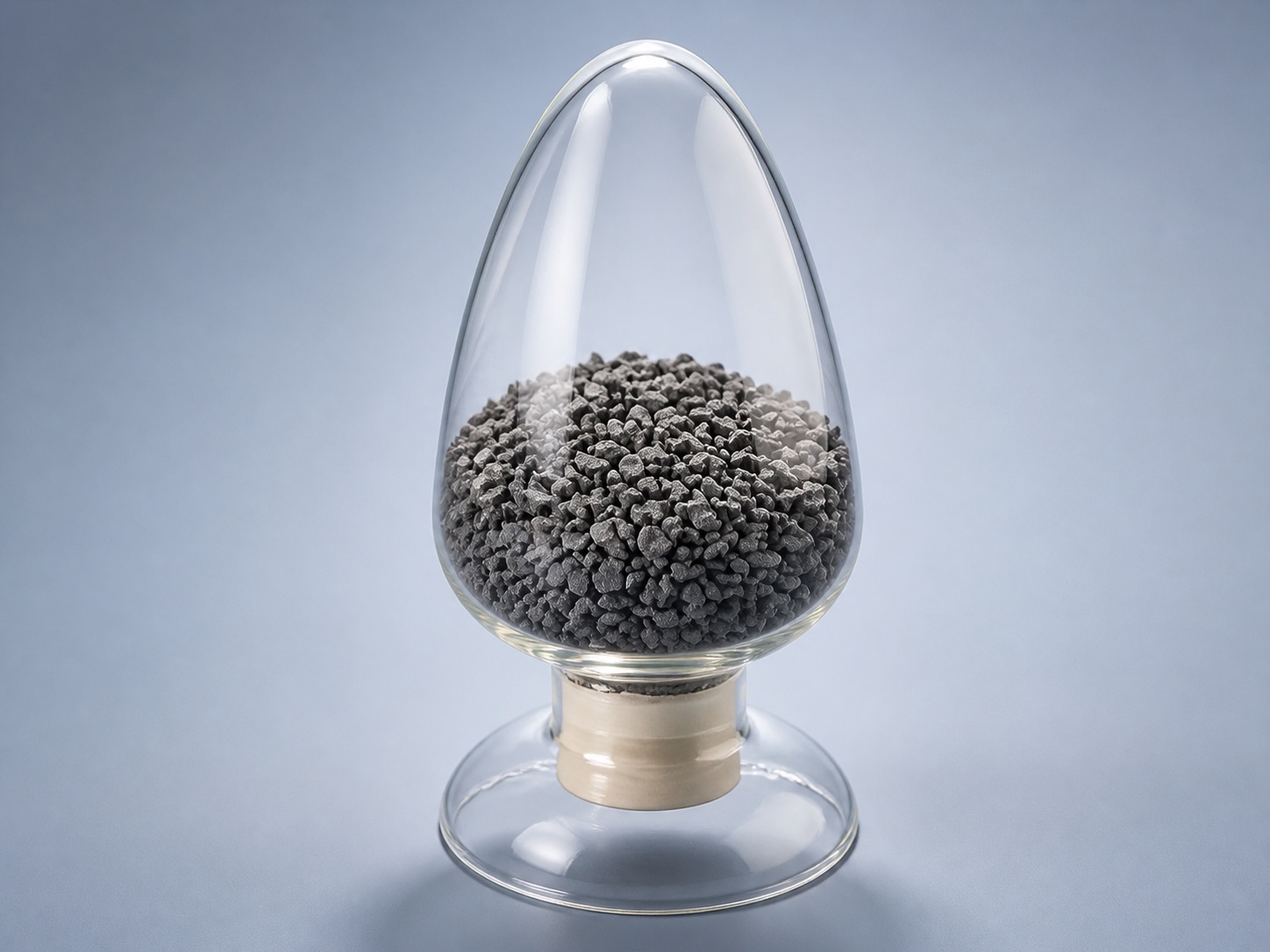
| YT880A | ≥260 | 190–210 | V-0 | |
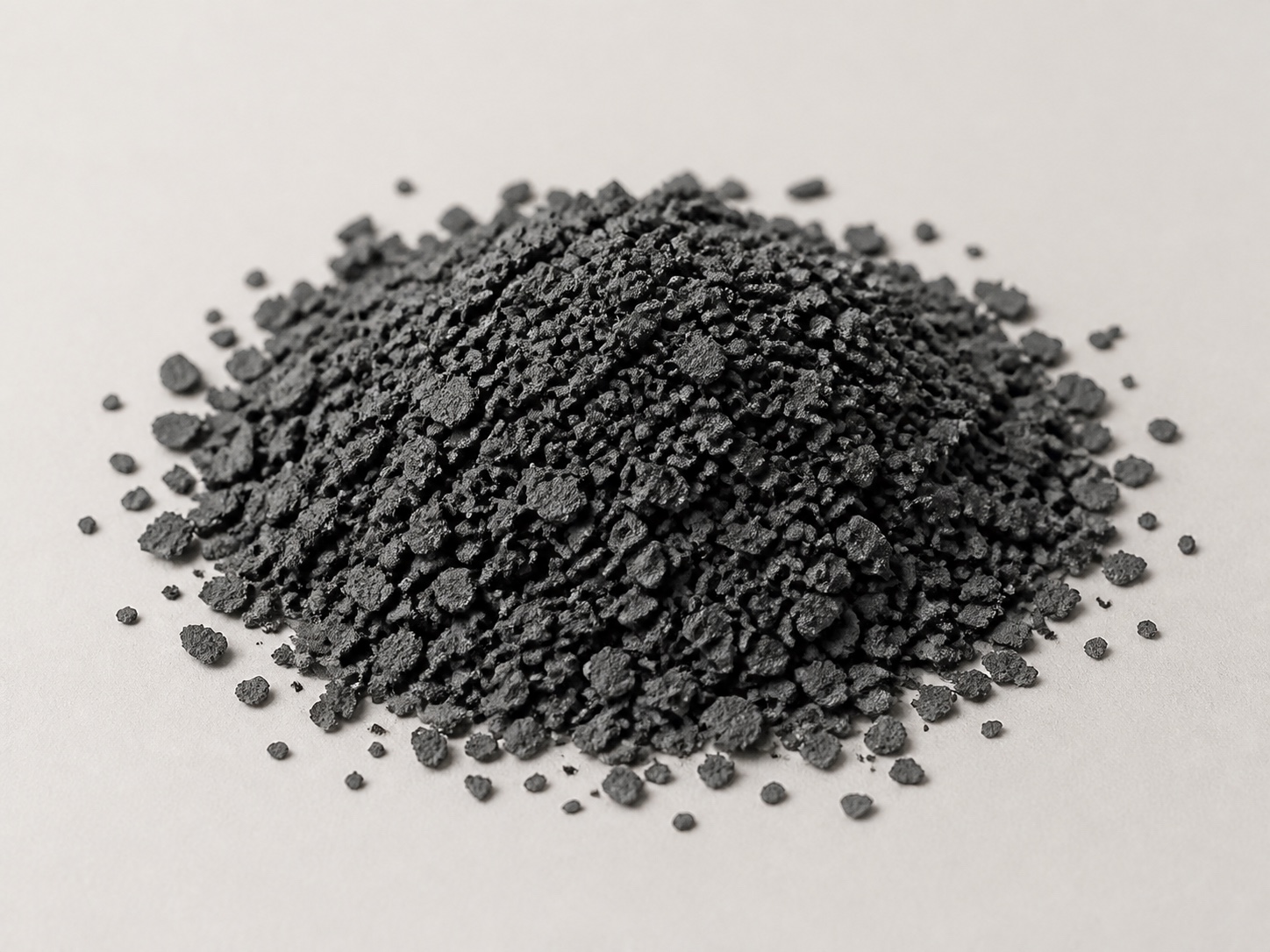
| YT670A | ≥210 | 190–210 | V-0 | |
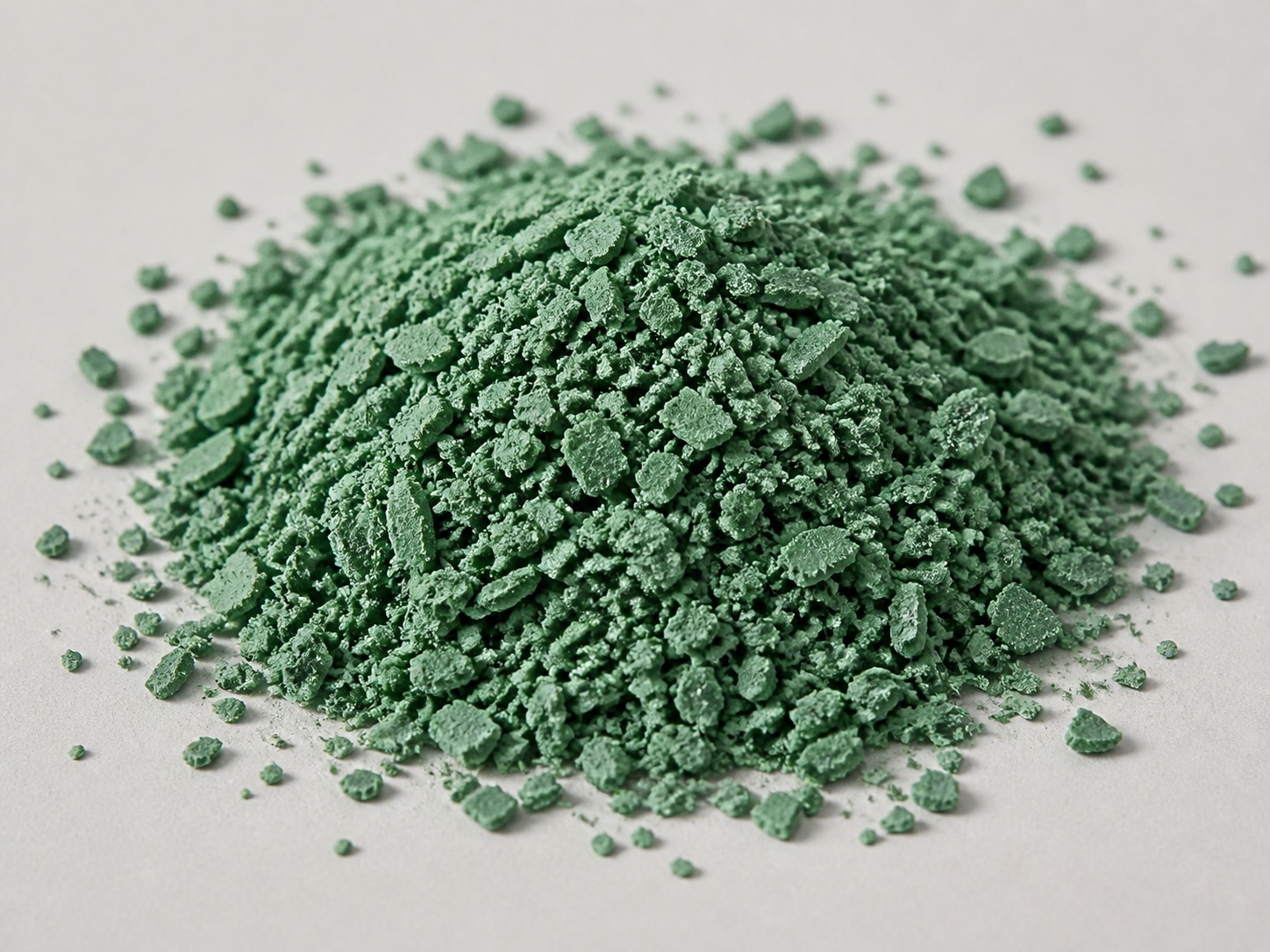
| YT870 | ≥260 | 145–155 | V-0 | |
| YT898 | ≥210 | 140–160 | — | |
| YT825 | — | — | — | |
| YT883 | — | — | — |
All 6 grades shown
For automotive switch covers, brush holders, housings, coil bobbins, EV battery components and charging-pile frames.
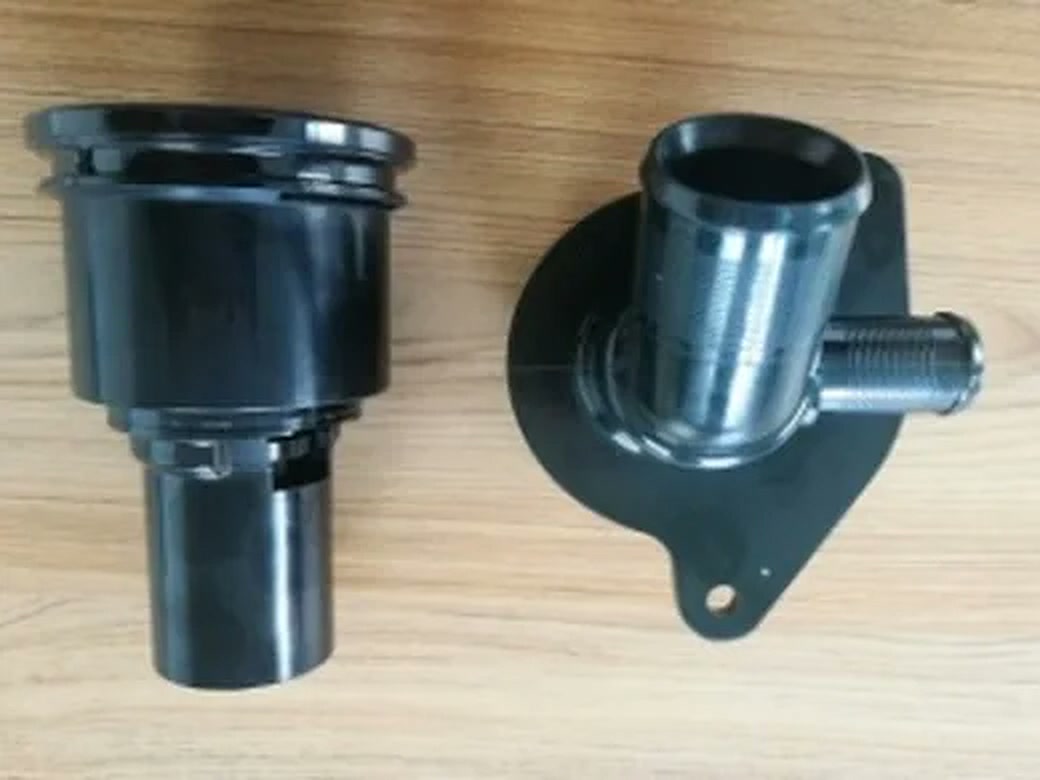
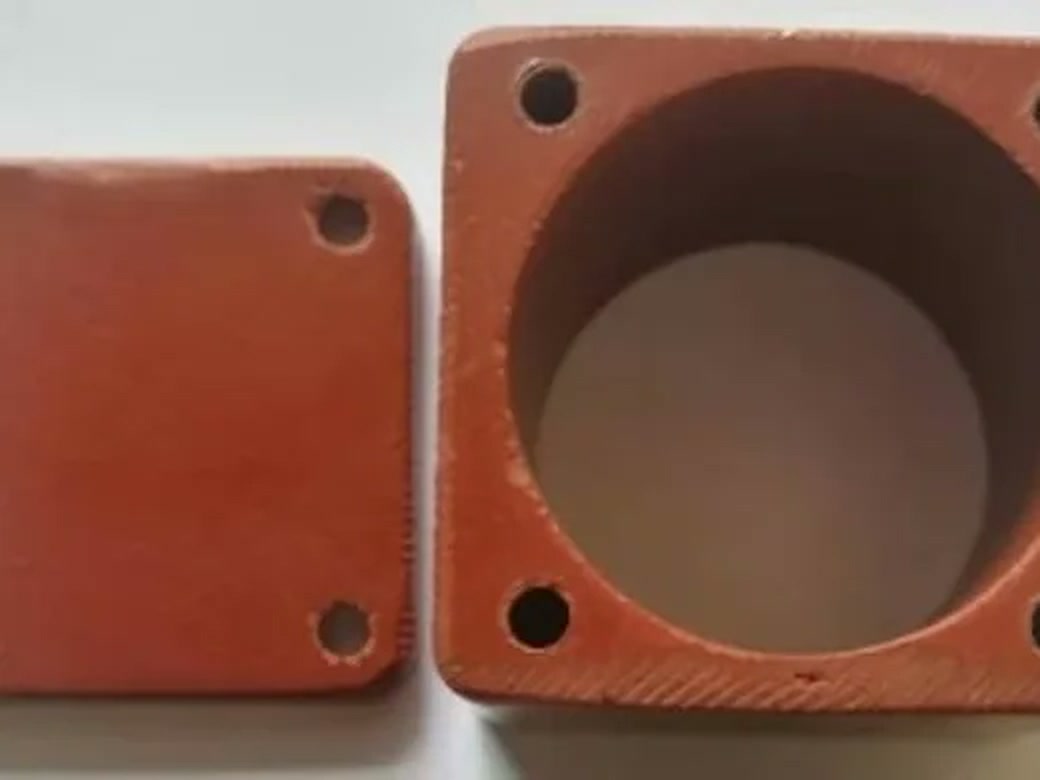
For automotive switch covers, valve bodies and large end covers requiring strength, heat resistance and flame retardancy.
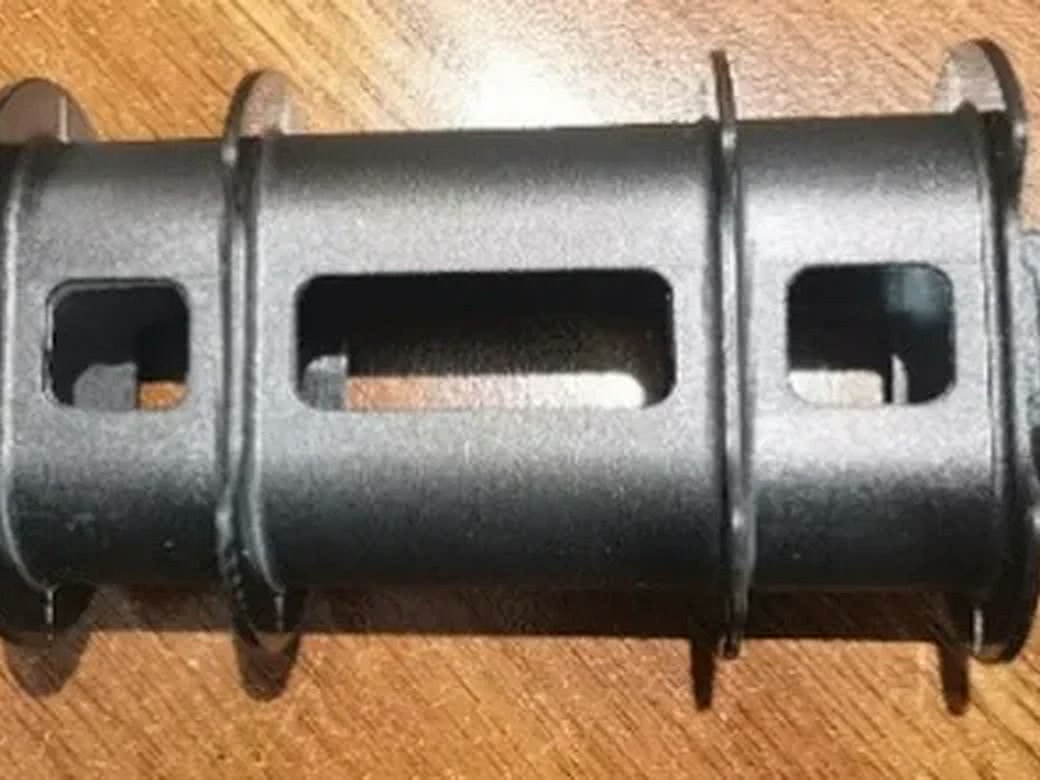
For coil bobbins and low-voltage electrical parts requiring heat resistance, insulation and molding adaptability.
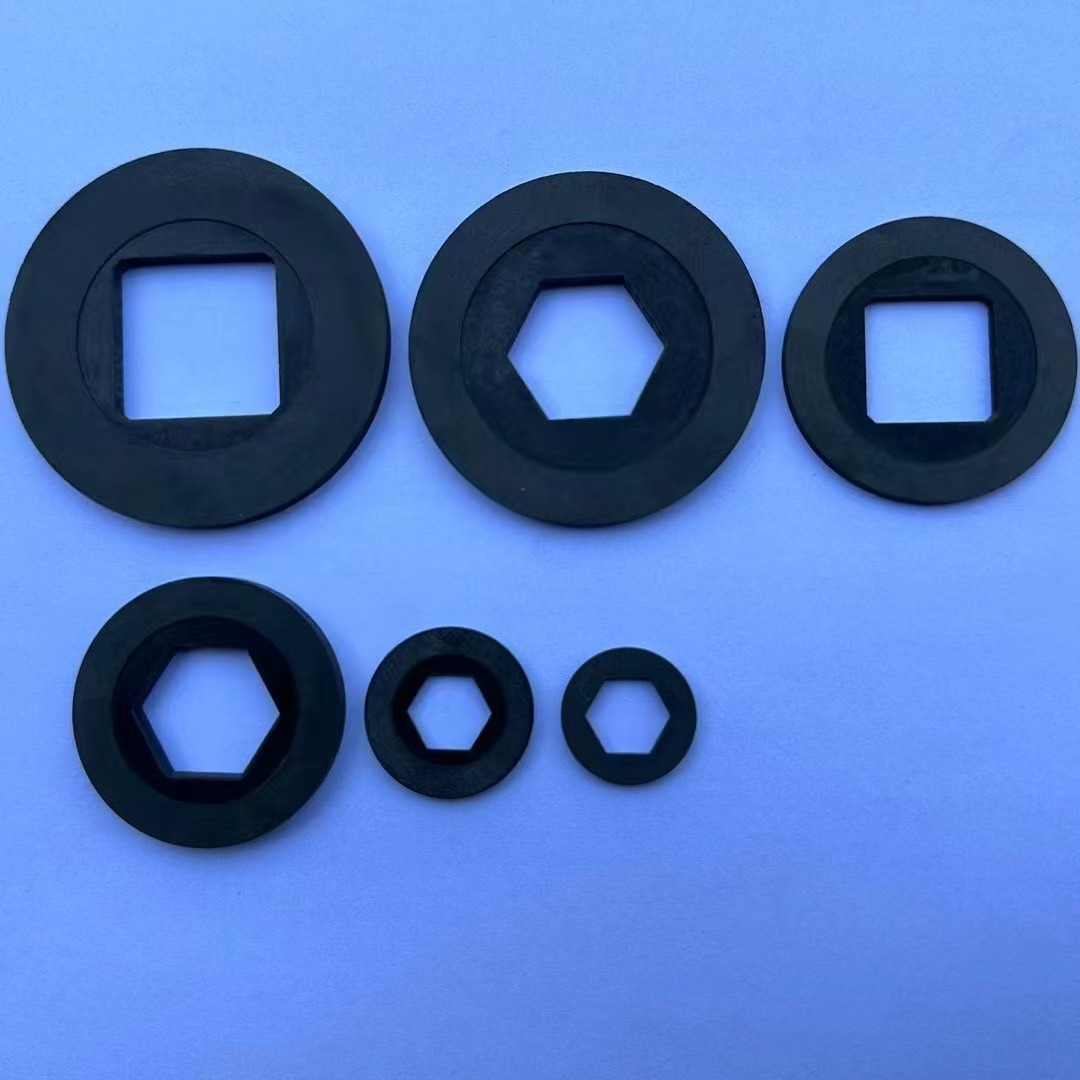
For welding and cutting parts, wear components and brake pistons under high thermal loads.
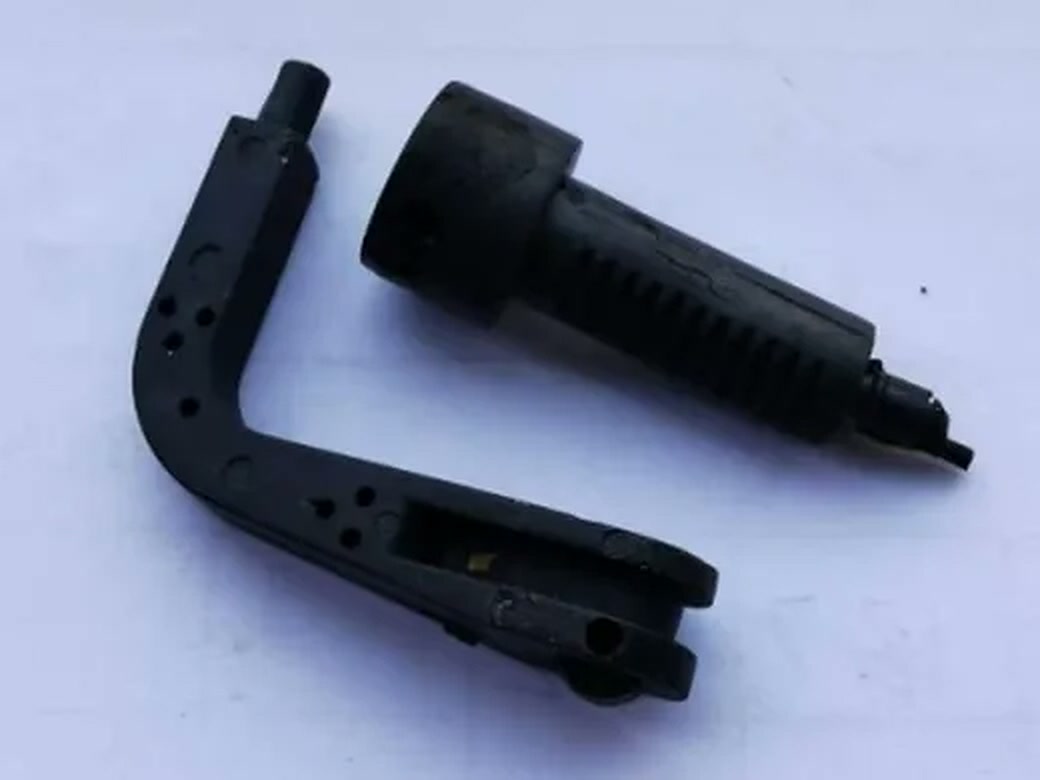
For structural and insulating parts including automotive switch covers, brush holders, housings and coil bobbins.
Optimized for complex components with large weight variations and demanding fill behavior.
Product data is updated by grade, batch and application requirements. Final selection should follow UTO’s latest technical data sheet, batch test results and project confirmation documents.
These figures summarize material capabilities across different grades. See individual grade details for test conditions.
APPLICATIONS
We support material selection, process windows and application validation around actual component requirements, expanding high-end phenolic compounds into more reliability-critical uses.
Starter solenoid switches, brush holders, automotive valve bodies, relays and electronic covers.
EV battery components, charging-pile frames and large insulating structures.
Coil bobbins, low-voltage electrical structures and electronic components.
Welding and cutting components, brake sensor wires, wear parts and brake pistons.